Mind Over Medal: Inside Canada's Quiet Revolution in Sports Psychology
There's a moment every elite athlete knows — the one where the body is ready but the mind hasn't quite caught up. Maybe it's a shootout in overtime, a penalty corner in a gold medal field hockey match, or the final seconds of a World Junior semifinal. Whatever the sport, whatever the stage, Canada's top performers are increasingly finding that the difference between the podium and the dressing room comes down to what's happening between the ears.
And the people running Canada's national sport programs? They've been paying close attention.
The Shift Nobody Talks About
For decades, the conversation around Canadian athletic development was almost entirely physical. Strength coaches, nutritionists, video analysts — these were the pillars of a high-performance machine. Mental health and psychological preparation were treated as afterthoughts, something you sorted out on your own or, if things got bad enough, with a counsellor down the hall.
That's changed dramatically over the last ten to fifteen years. Own the Podium, the federally-backed high-performance initiative, has embedded sport psychologists directly into national team environments across disciplines. The result isn't just healthier athletes — it's faster ones, more consistent ones, athletes who perform when it counts rather than crumbling under the weight of expectation.
"The physical ceiling for elite athletes is remarkably similar across the board at that level," explains one performance coach who works with multiple national programs. "What separates the ones who medal from the ones who don't is almost always mental. Confidence under pressure, the ability to reset after a mistake, focus management — that's the real battleground."
Hockey's Complicated Relationship With the Mental Game
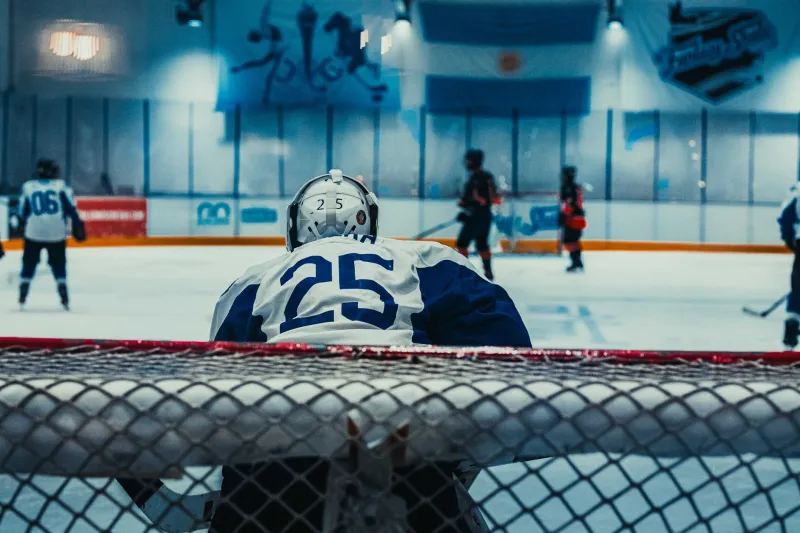
If you want to understand how far Canada has come, look no further than the sport closest to this country's identity: hockey.
For generations, the hockey culture in Canada quietly stigmatized anything that smelled like vulnerability. You taped your stick, you blocked out the noise, and you skated through whatever was bothering you. Mental health wasn't a conversation — it was a weakness.
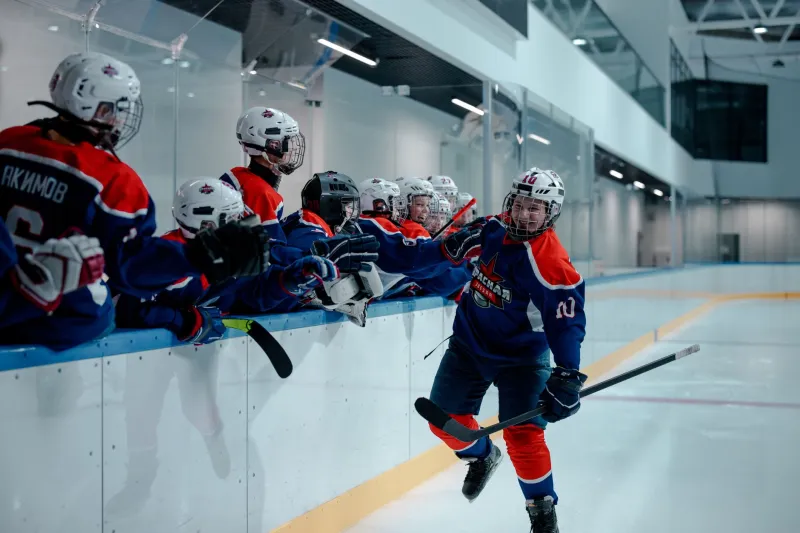
That culture is cracking, and it's cracking fast. The NHL's player assistance programs, combined with a new generation of coaches who grew up in a more psychologically aware environment, have shifted what's acceptable to talk about in the locker room. At the junior level, Hockey Canada has made mental performance coaching a standard part of national team preparation, not an optional add-on.
The impact shows up in how Canadian teams handle adversity. Think back to some of the most pressure-packed moments in recent World Junior history — the comebacks, the shootout victories, the ability to regroup after a brutal first period. That's not just talent. That's mental infrastructure built into the program.
Real Athletes, Real Breakthroughs
Across Canadian sport, the stories of mental performance transformation are becoming harder to ignore.
Short-track speed skaters have spoken openly about using visualization techniques — running the perfect race in their minds hundreds of times before ever stepping onto the ice in competition. The idea isn't new, but the rigour with which Canadian athletes now approach it is. It's not just imagining winning. It's imagining every gate, every lean, every recovery from a near-fall, until the nervous system treats the imagined experience as real.
In swimming, Canadian athletes working toward Paris 2024 talked about the shift in how they approached bad training days. Instead of spiralling into self-criticism — a pattern that can derail weeks of preparation — they were coached to treat poor sessions as data rather than identity. A bad swim tells you something. It doesn't define you.
For track and field athletes, the work often centres on what psychologists call "pre-performance routines" — not superstitions, but deliberate sequences of thought and action designed to bring the mind to a consistent, competition-ready state. When you're standing in lane four at a global championship with sixty thousand people in the stands, having a reliable mental anchor is worth as much as any personal best in training.
The Coaches Who Carry the Culture
The real engine behind Canada's psychological evolution isn't just the sport psychologists themselves — it's the coaches who've bought in.
A growing number of high-performance coaches across the country are integrating mental skills work into daily practice rather than treating it as a separate session or a crisis intervention tool. When a coach normalizes talking about focus, pressure, and emotional regulation, it gives athletes permission to take that work seriously.
This is especially important at the development level, where habits are formed. A sixteen-year-old learning to manage competitive anxiety in a provincial program is going to arrive at the national team with a completely different toolkit than one who was told to just "toughen up."
The trickle-down effect is real, and it's building something Canada hasn't always had: a culture of psychological resilience that's baked into athlete development from the ground up.
The Road Ahead
Canada still has work to do. Access to quality sport psychology support is uneven across the country — athletes in major urban centres with well-funded programs have advantages that those in smaller communities simply don't. Closing that gap is one of the bigger challenges facing national sport organizations as they look toward the 2026 Milano-Cortina Winter Games and the LA 2028 Summer Olympics.
There's also the ongoing challenge of destigmatization. While progress has been real and meaningful, pockets of resistance remain — particularly in sports and regions where older cultural norms about toughness and stoicism still hold sway. Changing that takes time, and it takes athletes willing to speak openly about their own mental performance journeys.
But the trajectory is clear. Canada's best athletes aren't just arriving at major competitions physically prepared anymore. They're arriving with mental game plans, emotional regulation tools, and a psychological durability that would have seemed almost foreign to previous generations of Canadian sport.
The medal counts are starting to reflect it. And if the investment continues, so will the podiums.
BCSF Sports covers Canadian sport from coast to coast — the games, the athletes, and the stories behind the stories.